Ghuski

Nepal Time
--:--:--
Digital Village Portal
Sunsari, Nepal
A village in the fertile Terai plains of southeastern Nepal, part of Harinagar Rural Municipality — home to more than 15,000+ residents across over 2,000+ households.
Past 7 days · Today · Next 7 days
Live data for Ghuski, Sunsari, Nepal (26.46°N, 87.11°E) — useful for planning fieldwork or your day's travel.
Recorded highs, Open-Meteo historical archive
Forecast highs & lows
26°28′N, 87°07′E · Outer Terai
Save these numbers
102
100
101
Local emergency care, Ghuski
A village in the Terai plains
Ghuski is a former Village Development Committee in the fertile Outer Terai plains of Sunsari District, Koshi Province — now forming part of Wards 6 and 7 of Harinagar Rural Municipality, following Nepal's 2017 local government restructuring. Locals still know the area by its older name.
The land sits at roughly 74 metres elevation on the alluvial plains built up by the Koshi River system, bordering India along the Sunsari River to the south. Daily life runs mainly on farming, small trade, and remittances from family working abroad, with growing rural roads and mobile coverage connecting the area to the rest of Sunsari.
Census & municipal data
Residents
Households
Wards of Harinagar Rural Municipality
Local area code
Harinagar municipality literacy (2021)
Farmland area
Nepal Standard Time
The Terai's working land
Ghuski's roughly 1,450 hectares are mostly farmland, with about 1,208 hectares classed as net irrigable.
The main monsoon crop, covering around 60% of cultivable land (~725 ha). Yields average about 2.3 t/ha, with pocket programs aiming to lift that toward 4.2 t/ha.
Winter crops rotated with monsoon paddy, alongside cash crops like sugarcane, jute, and bananas. Average cropping intensity runs around 164%.
Cauliflower, cabbage, and potatoes are common smallholder crops, supplying local bazaars alongside staple grains.
Canals under the Sunsari River Irrigation Project and shallow tube wells supply water, but only about 17% of land is irrigated — the rest depends on the monsoon.
Weekly open-air markets let residents trade surplus rice, vegetables, and fish, with produce moved by bicycle, cart, and tractor to nearby market towns.
Income sent home by family working abroad is a major part of household finances, often supporting small ventures like tailoring or grocery stalls.
Flooding from the adjacent Koshi and Sunsari rivers can inundate hundreds of hectares in a wet monsoon, delaying planting and damaging standing paddy — a recurring risk for farming households here.
Care close to home — and where it goes for more
A local health post providing outpatient care, vaccinations, and maternal & child health support to the surrounding community.
Routine immunisation and antenatal services, part of the national programs that have lowered infant mortality across Sunsari over the past decade.
For most hospital-level and critical care, patients are most often referred to Biratnagar, the main medical hub for this part of the Terai.
Dharan is the other major referral point, home to the region's leading specialist and teaching hospital for complex cases.
In normal, non-critical conditions, some patients instead go to facilities in Inaruwa, the district headquarters.
Gravel roads connect Ghuski to the highway network; travel is mostly by bicycle, motorbike, or irregular bus service, and can be slowed by monsoon flooding.
Building toward the future
Local schools generally run from nursery onward, with each institution ending at a different grade — some through grade 10, others through +2 (grade 12).
Local schools in and around Ghuski take children from nursery through the basic level (grade 8).
Several local schools continue on through grade 10, ending in the SEE examinations.
A smaller number of schools extend through the +2 level locally, covering grades 11 and 12 without needing to leave the area.
For college and university, most students travel onward to Biratnagar, the nearest major city with a wide range of campuses.
Harinagar Rural Municipality's 2021 literacy rate stands at 70.35% (male 76.35%, female 64.58%) — up sharply from Ghuski's own 48.8% recorded in 2011.
Local libraries and growing internet access support general and adult literacy alongside formal schooling.
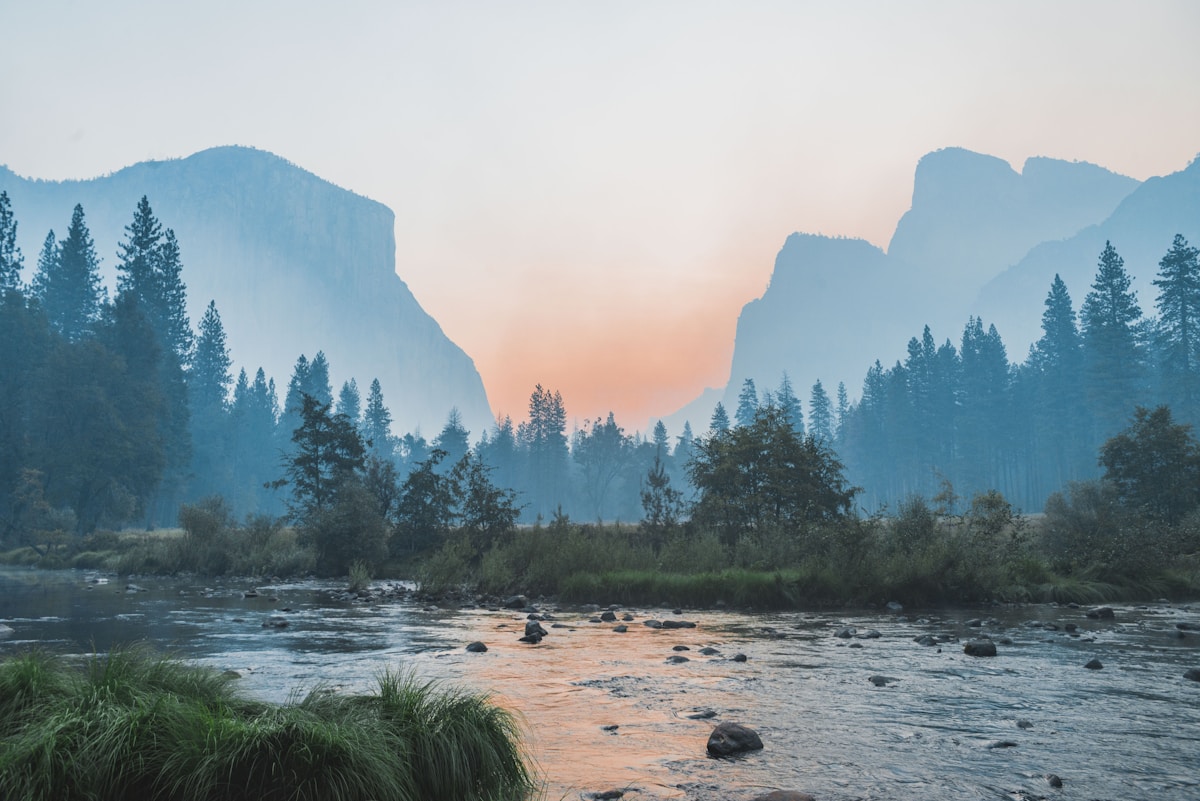
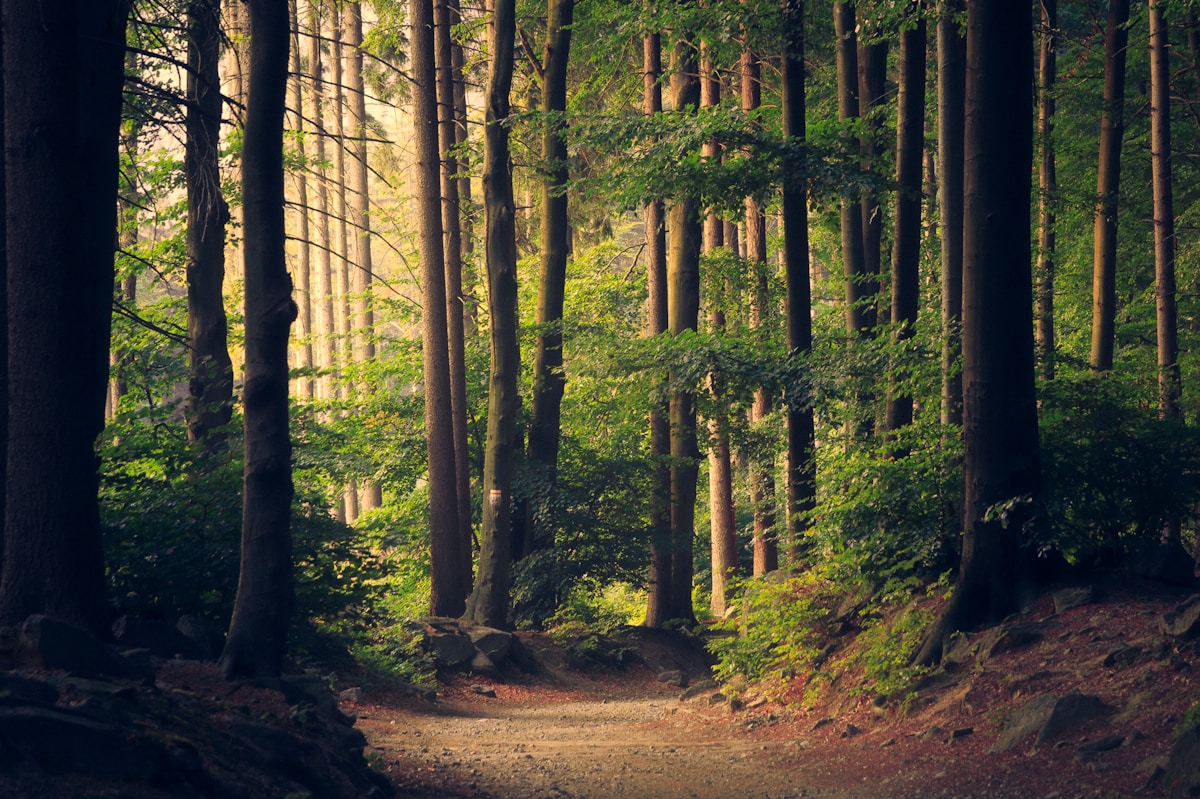
Fields, sky, and the village edge

Where to go
Educational institutions across Ghuski.
Primary healthcare services.
Community gathering spaces across Ghuski.
Daily commerce and local trade.
Get in touch
Ghuski, Harinagar Rural Municipality
Sunsari District, Koshi Province, Nepal
+977-025-XXXXXX
Sun–Thu: 10:00 AM – 5:00 PM NST